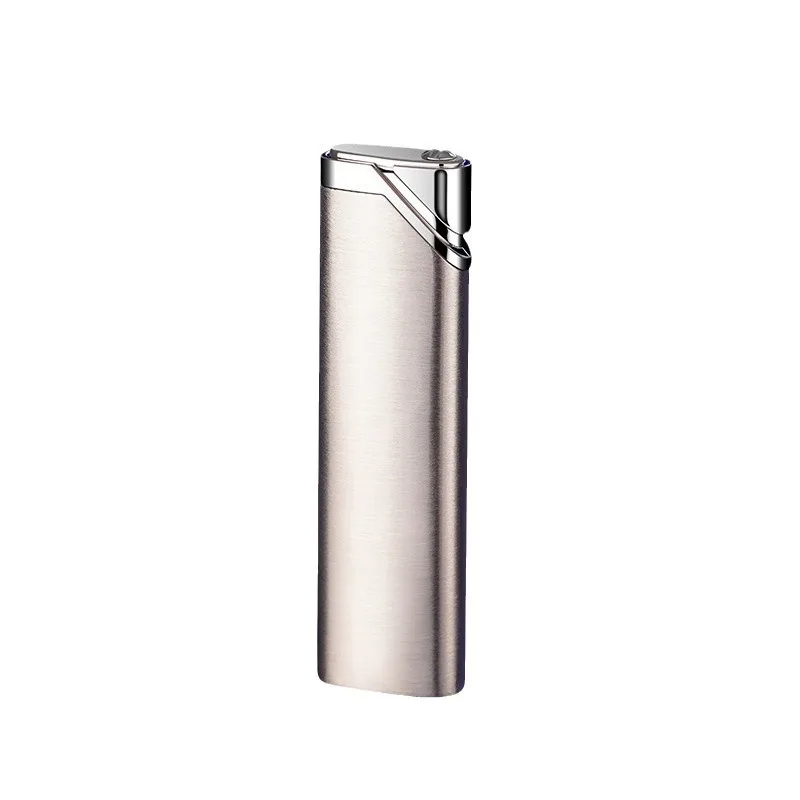
In the lighter export business, buyers look beyond price when selecting a supplier. They also want consistent product quality, accurate logo customization, samples that match mass production, and on-time delivery.
For branded orders, every detail—from product appearance and functional testing to logo printing and packaging—can affect the purchasing experience.
So how does a customized lighter order move from the initial discussion to final delivery? Using a branded lighter order as an example, this article examines four key stages: product inspection, customization methods, sample approval, and order delivery. It also explains how a structured process can help reduce purchasing risks.
Product quality is the foundation of successful order fulfillment. Even if a lighter looks correct, ignition problems, abnormal flames, surface scratches, or poor assembly can increase after-sales costs and affect a buyer’s brand reputation. Quality checks should therefore take place at multiple stages, not only before shipment.
1. Appearance inspection: Check for visible scratches, stains, peeling finishes, color differences, and other defects. Confirm that the product color, structure, and workmanship meet the order requirements.
2. Functional inspection: Test functions appropriate to the product type. Gas lighters should be checked for ignition performance, flame behavior, and relevant operating functions. USB-rechargeable lighters should be checked for charging, switch operation, and the relevant ignition function. Products involving fuel, ignition, or batteries should also undergo applicable safety checks in line with product requirements and relevant standards.
3. Logo inspection: Check the logo position, size, color, clarity, and processing result against the final approved artwork or sample.
4. Packaging and quantity inspection: Before shipment, verify product quantities, accessories, instructions, packaging methods, and carton markings against the order requirements.
Clear inspection criteria, retained inspection records, and appropriate incoming, in-process, and final inspections can help reduce quality risks. The goal of quality management is not merely to identify defects, but to prevent problems wherever possible and ensure that products meet the standards agreed upon by both parties.
For brand buyers, a logo is more than a mark on a product—it is an important part of brand identity. Some customers prefer a clean, refined look; others need multicolor artwork; and some prioritize consistency across larger production runs.
Debang offers three main logo customization methods: laser engraving, full-color printing, and silkscreen printing. The most suitable method should be assessed based on the product material, surface finish, artwork details, and order quantity.
2.1 Laser Engraving
Laser engraving is suitable for brands seeking a clean and refined appearance. It uses laser processing to mark a logo, text, or graphic on the product surface. The actual visual result depends on the material, surface coating, and processing parameters, so color and texture may vary from product to product.
Typical applications include brand marks, text logos, simple graphics, and personalized designs. It can be considered when a brand wants a minimalist look that highlights its logo.
2.2 Full-Color Printing
Full-color printing is suitable for customization that requires multiple colors, complex graphics, or brand-specific visual designs. It can reproduce colors and artwork based on the supplied design file, helping create a more distinctive product.
Typical applications include multicolor logos, illustrations, complex graphics, and designs with a strong visual identity. The final result should be confirmed based on the product surface, artwork details, and the specific printing process.
2.3 Silkscreen Printing
Silkscreen printing is suitable for projects with defined color requirements and a need to reproduce consistent brand marks across a production run. Depending on the artwork and product conditions, it may support single-color or multicolor printing, and is often suitable for text, simple logos, and clear graphic designs.
Typical applications include corporate logos, text graphics, promotional gifts, and customized products produced in batches. The achievable number of colors and level of detail should be assessed against the artwork and product surface.
How Should You Choose a Logo Method?
Each method has its own characteristics. For laser engraving, assess material compatibility and the expected mark color and depth. For full-color printing, check color reproduction, fine details, and adhesion. For silkscreen printing, confirm colors, placement, and consistency across the production run.
The final method should be selected after evaluating the specific product rather than by the process name alone. Early communication and physical sample approval help control the final result.
A mock-up is a useful first step for confirming the design direction, but a physical sample is important for verifying appearance, customization quality, and actual functionality. Moving directly from a digital image to mass production may lead to issues such as an unsuitable logo size, unexpected color differences, or an unbalanced logo position.
1. Confirm product specifications: Agree on the model, dimensions, color, material, functions, and packaging requirements so both parties share the same understanding of the product.
2. Approve the logo mock-up: Use the customer’s logo file to prepare a visual mock-up showing the logo position, size, proportions, and intended appearance. If the process has not been selected, recommend a suitable option after comparing laser engraving, full-color printing, and silkscreen printing.
3. Approve the physical sample: Where possible, use a physical sample to check product color, surface finish, logo appearance, handling, and relevant functions. If changes are requested, revise the design or process and obtain approval before mass production.
4. Keep approval records: After sample approval, record the final product specifications, logo file, process, color, placement, and packaging requirements by email or another traceable method. Retain the approved sample or photos as references for mass production and quality checks.
Sample approval is not simply about showing the customer the product. It ensures that the customer and factory agree on the final delivery standard, helping reduce misunderstandings and rework during mass production.
Once the sample is approved, the order moves into mass production. The factory must apply the agreed specifications, customization method, and quality requirements to production while coordinating progress, quality, and logistics.
1. Create a production plan: Schedule production based on order quantity, product model, customization process, material availability, and delivery requirements. Assess lead times in advance for special logo processes or custom packaging.
2. Monitor production: Check key operations, with particular attention to appearance, functionality, and logo processing. If results do not meet the approved standard, investigate the cause and take corrective action. Keep the customer informed about progress and any issues that may affect the delivery schedule.
3. Conduct final inspection: Inspect finished goods against the order requirements and approved standards. Check appearance and functions, logo position and processing quality, quantities, accessories, packaging, and carton markings. Confirm any required inspection reports or compliance documents in advance.
4. Prepare packaging and transportation: After inspection, pack and carton the goods according to the order, and prepare the packing list, commercial invoice, and other required documents. Since lighter types have different transportation requirements, confirm carrier acceptance conditions and destination rules before shipment. For products containing fuel or batteries, verify applicable shipping restrictions and declaration requirements in advance.
5. Follow up on delivery: After dispatch, provide available shipping details, logistics documents, and tracking information, and follow up according to the agreed arrangements. Order management does not end when the goods leave the factory; timely updates and support in resolving delivery issues also help build long-term cooperation.
Reliable delivery means more than shipping on time. It means ensuring that product quality, quantity, packaging, documentation, and transportation arrangements all meet the order agreement.
Product inspection, logo customization, sample approval, and order delivery are not isolated tasks. They form a connected order-management system.
Product inspection: Establish standards and check appearance and functions to verify product quality.
Logo customization: Select laser engraving, full-color printing, or silkscreen printing to reproduce the brand design appropriately.
Sample approval: Verify the physical result and keep records so both parties agree on the final product.
Order delivery: Monitor production, inspection, packaging, and logistics to deliver according to the agreement.
First, clarify product and customization requirements. Next, evaluate the process and approve the sample to establish the final standard. Then apply the requirements during mass production and verify them through quality inspection. Finally, complete packaging, dispatch, and logistics follow-up. A gap at any stage can affect the final result, which is why an integrated process is more effective than relying on a single inspection point.
For lighter buyers, choosing a supplier means choosing not only a product, but also a way of working together.
From product inspection and logo customization to sample approval and final delivery, every stage affects purchasing costs, brand image, and the end-customer experience. Debang offers laser engraving, full-color printing, and silkscreen printing options for logo customization, supported by requirement discussions, sample approval, production follow-up, and finished-product inspection to help customers manage customized orders more clearly.
We believe that good cooperation is built not only on price and manufacturing capability, but also on clear communication, defined standards, and reliable delivery management.
Quality as our foundation, customization as our strength, and delivery as our commitment—making every cooperation a starting point for long-term trust.
Copyright © Wenzhou Debang Smoking Set Co., Ltd.All Rights Reserved - Privacy Policy
 EN